.webp)
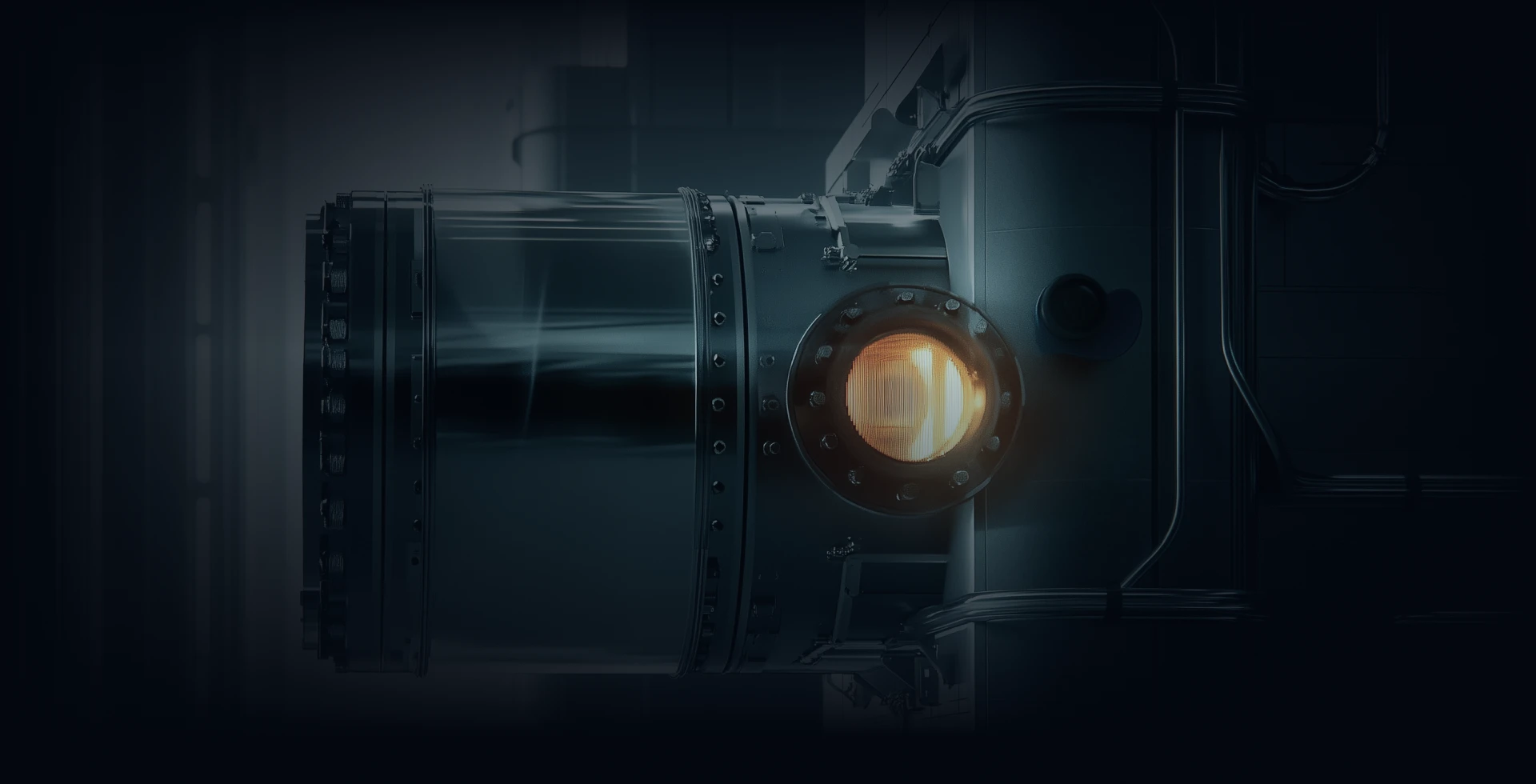
Phasic Energy's Thermal Coolers (TC) transform waste heat into efficient cooling power, drastically reducing energy consumption and emissions. Designed for data centers, industrial facilities, and more, our innovative systems deliver reliable cooling while minimizing operational costs and reducing environmental impact.

Our thermal coolers leverage complex optimized algorithms adjusting cooling performance dynamically, maximising efficiency and reducing energy consumption in real-time

Engineered to dissipate excess heat efficiently, Thermal Coolers maintain system stability by regulating temperatures and protecting sensitive components from overheating

Maintain optimal temperature levels with precision, ensuring consistent performance and reducing thermal stress on critical components, even in challenging environments

Built with robust materials and advanced engineering, our thermal coolers reduce maintenance frequency and provide reliable performance over extended periods

Designed to easily integrate and incorporate into diverse applications, including industrial cooling systems and data center management, maximizing flexibility and compatibility

Thermal coolers are engineered to minimize environmental impact by reducing power consumption optimizing cooling efficiency, ensuring energy savings in operations
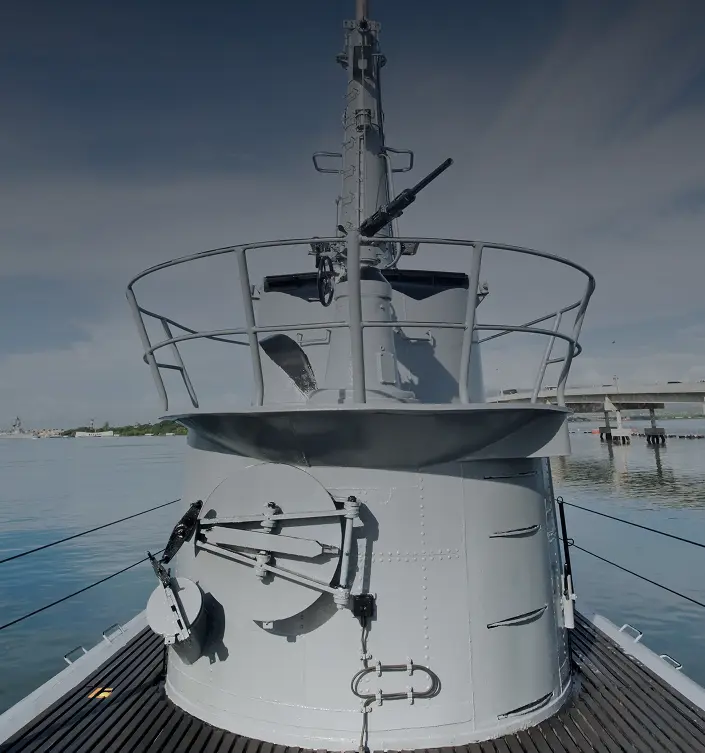

Heat engines are widely used in power plants to convert thermal energy into mechanical or electrical power. Their efficiency and reliability make them essential for energy production in various scales.
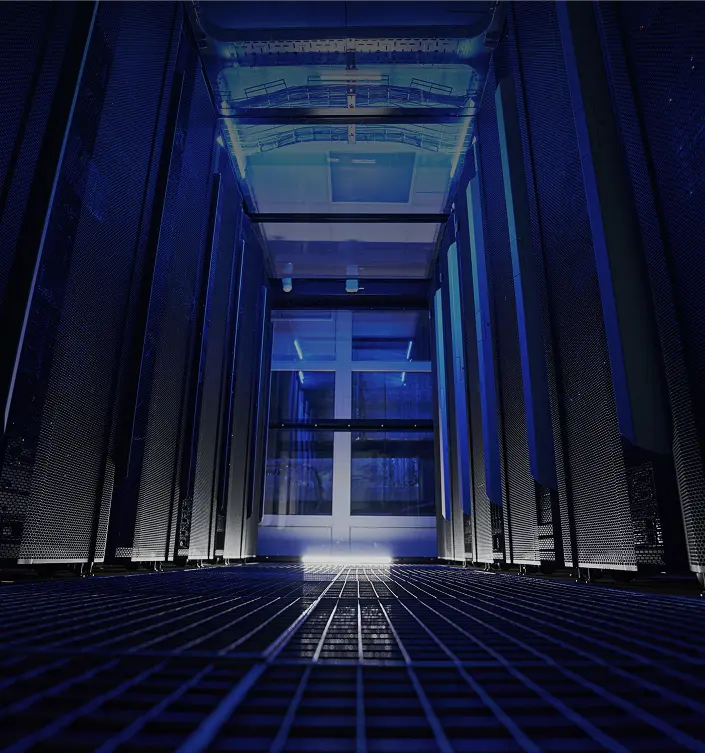
Heat engines are widely used in power plants to convert thermal energy into mechanical or electrical power. Their efficiency and reliability make them essential for energy production in various scales.
Thermal Coolers are engineered to enhance system stability and safeguard sensitive components, while maintaining a low environmental impact. Designed for high-performance in critical applications, they ensure reliable cooling efficiency

Increase in Cooling Efficiency
Decrease in Power Usage
Increase in Operational Lifespan
Increased Capacity for Heat Dissipation
Maintenance Gap Increase
Environmental Impact Reduction


Consectetur component upgrade optimizes pressure flow, reducing power draw and operational expenses [...]

Tempor system redesign cuts emissions by 25%, redefining sustainability benchmarks across industries [...]

Ipsum-based unit enhances cooling cycles by 19%, delivering cost savings and efficiency gains enterprise-wide [...]